Foil stamping and embossing for packaging: how they work, foil embossing, and spot UV
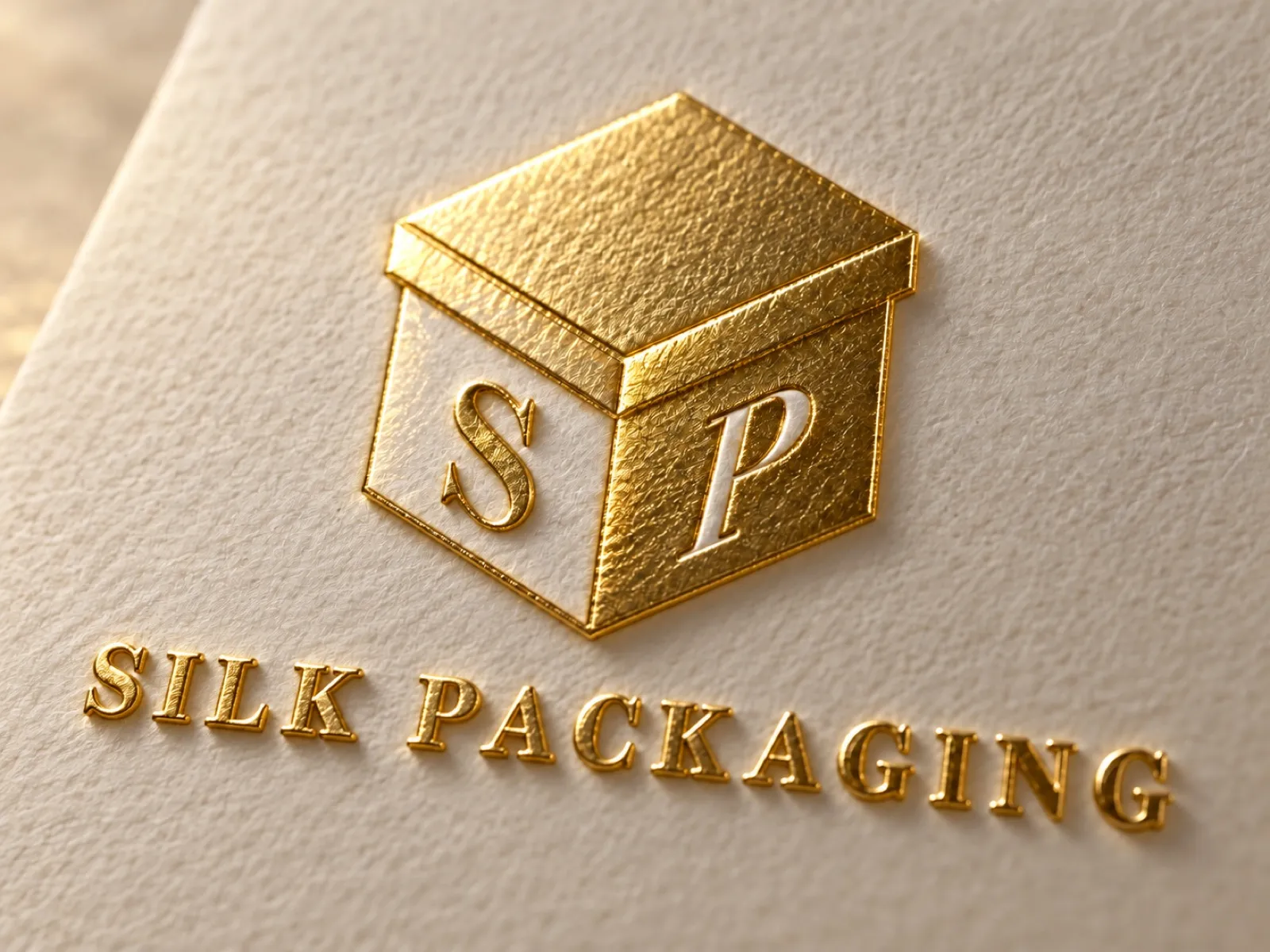
Foil stamping adds shine. Embossing adds depth. Spot UV adds gloss. Used alone or together, they are what make a plain box look and feel premium. Here’s how each one works, what “foil embossing” means, and how to choose between embossing and spot UV.
Foil stamping vs embossing at a glance
| Foil stamping | Embossing | |
|---|---|---|
| What it does | Adds a thin metallic or colored layer | Raises the paper into a 3D shape |
| What you notice | Color and shine | Depth and texture you can feel |
| Tooling | A heated metal plate | A matching pair of dies |
| Flat or raised? | Flat | Raised (deboss = pressed in) |
| Best on | Most papers, including kraft | Thicker and textured papers |
They are not alternatives so much as partners: many premium boxes use both on the same logo.
How hot foil stamping works
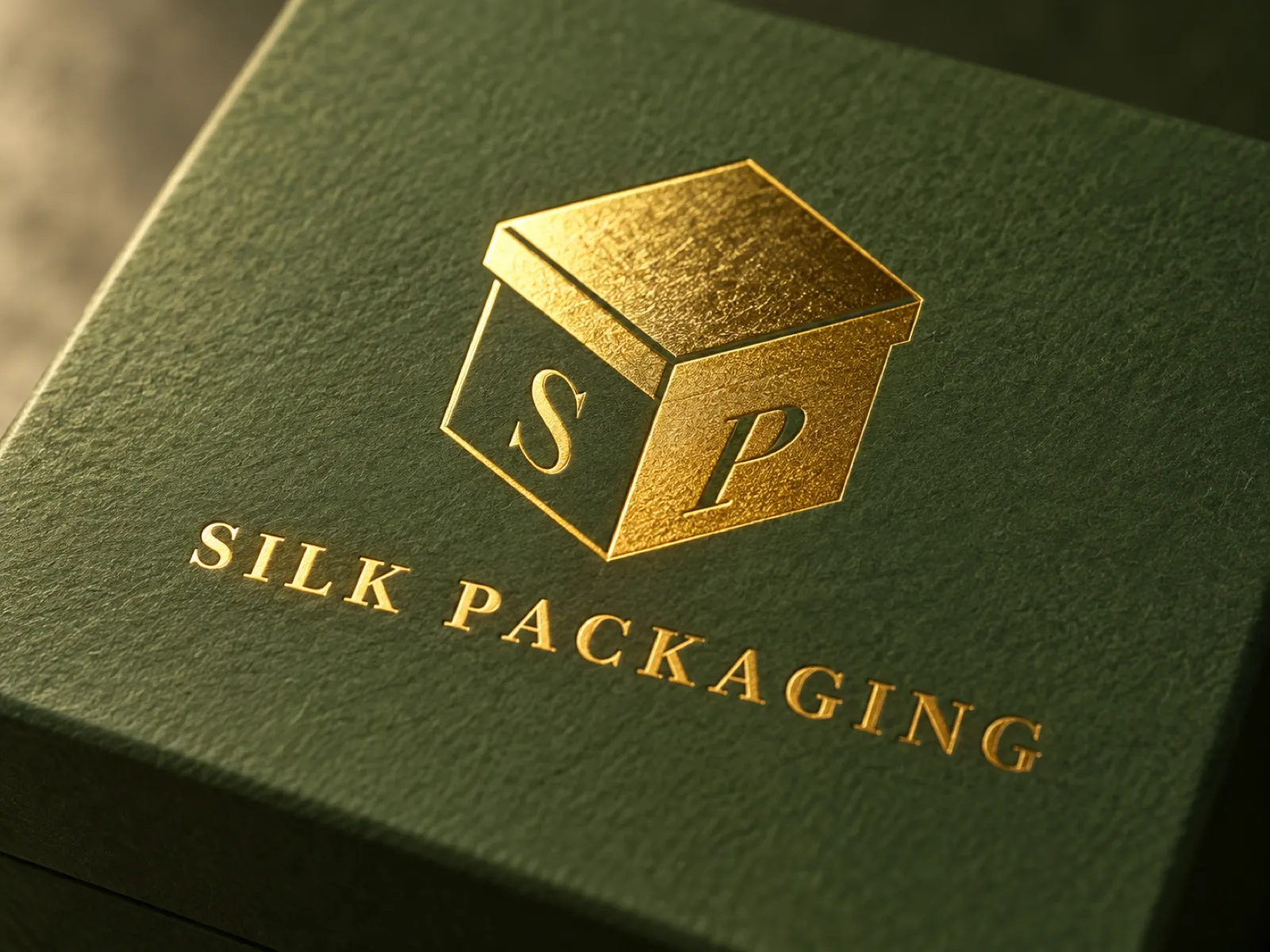
A heated metal plate presses a thin film of foil onto the paper. The heat releases the foil from its carrier film exactly where the plate touches, leaving a crisp metallic design.
- Colors: gold, silver, rose gold, copper, matte or gloss colors, and holographic foil that shifts color as the box moves.
- Best for: logos, fine lines and small text that should catch the light.
- Works on: most papers, including textured papers and kraft.
How embossing and debossing work
Two matching dies — one raised, one recessed — press the paper between them so the design stands out.
- Emboss raises the design above the surface.
- Deboss presses it into the surface. It is especially effective on rigid boxes, where the thick board holds a deep impression.
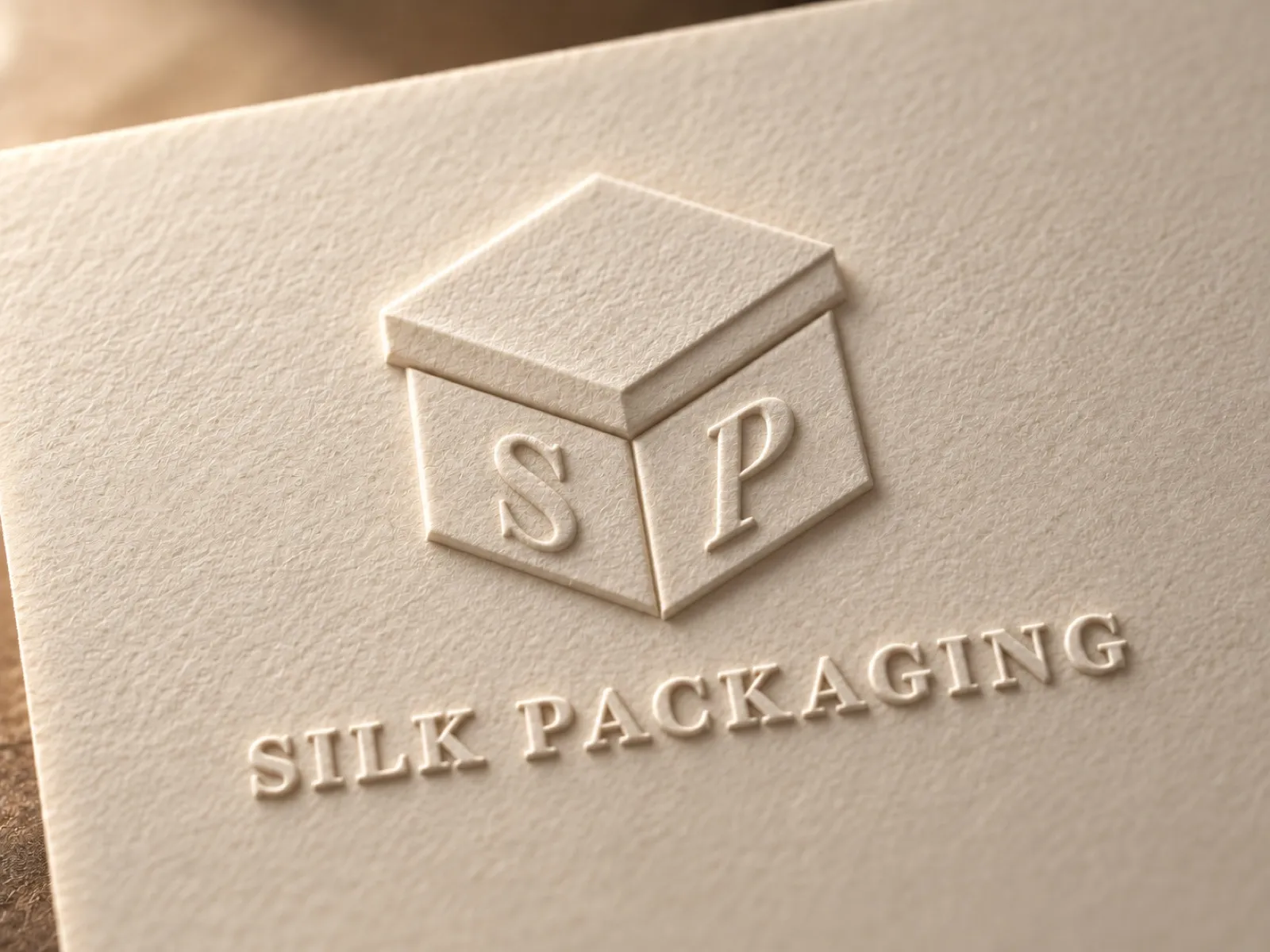
- Blind emboss or deboss uses no foil or ink — the design shows only through light and shadow.
Best for: a quiet, tactile look. On thick textured paper, a blind emboss feels expensive without any color at all.
What is foil embossing?
Foil embossing — also called embossed foil or foil-and-emboss — combines both effects. A heated, sculpted die applies the foil and raises the design in a single pass, so the logo is shiny and raised at the same time.
Why brands choose it:
- It is the most “jewelry-box” finish there is: shine plus depth reads instantly as premium.
- It makes a small logo stand out on a large lid without adding more color.
- It works especially well on rigid boxes, magnetic boxes and premium paper bags.
Foil embossing needs its own sculpted die, made once for each design.
Spot UV
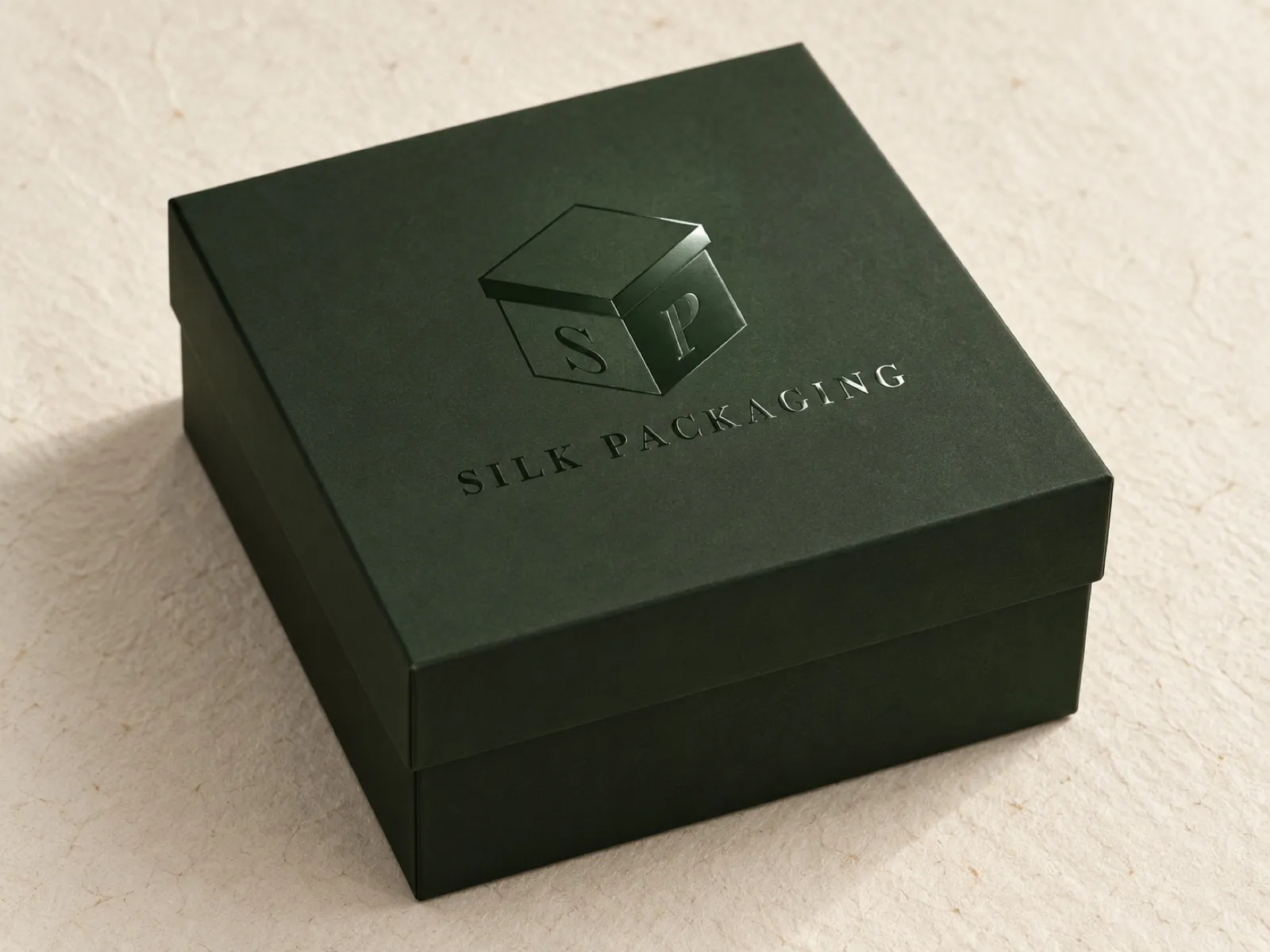
Spot UV is a clear gloss coating applied only to selected areas — usually over a matte or soft-touch laminated box. The contrast between matte and gloss makes the logo or pattern appear when light hits it.
Best for: dark matte boxes and modern beauty brands. It shows best on smooth laminated surfaces rather than textured papers.
Embossing vs spot UV: which should you choose?
Both are used to make a logo stand out without adding color — but in very different ways.
| Embossing | Spot UV | |
|---|---|---|
| How it stands out | Depth and shadow — you feel it | Gloss against matte — you see it |
| Look | Natural, crafted, tactile | Sleek, modern, high-contrast |
| Paper | Thick, textured, kraft, uncoated | Smooth, matte-laminated |
| Works on dark colors | Yes, subtly | Yes — very striking on black and deep colors |
| Combine with foil? | Yes (foil embossing) | Yes (foil logo + spot UV pattern) |
Rule of thumb: natural or textured paper → emboss. Smooth matte box in a dark color → spot UV.
What about “UV embossing”?
You may see raised UV, 3D UV or UV embossing. This is a thick layer of UV coating built up on the surface so the design feels slightly raised — but the paper itself is not shaped, as it is with real embossing. It gives a glossy, tactile effect on smooth laminated boxes. If you want true depth on textured or uncoated paper, die embossing is the right choice. Tell us the effect you’re after and we’ll recommend the right process.
Quick comparison
| Finish | Look | Feel | Best on |
|---|---|---|---|
| Hot foil | Metallic shine | Flat | Most papers |
| Holographic foil | Color-shifting | Flat | Smooth white or light papers |
| Emboss | Raised shadow | Raised | Thicker and textured papers |
| Deboss | Pressed shadow | Recessed | Rigid boxes, thick papers |
| Foil embossing | Shine and depth | Raised | Rigid boxes, premium bags |
| Spot UV | Gloss on matte | Smooth gloss | Matte-laminated boxes |
How to choose for your brand
- Minimal, natural brand? Blind emboss or deboss on textured or kraft paper.
- Classic premium? Gold or silver foil — or foil embossing on the logo.
- Modern beauty? Spot UV on a matte or soft-touch box, perhaps with a small foil logo.
- Playful or youthful? Holographic foil.
Cost and minimums
Foil plates and embossing dies are made once for each design, so they are a set-up cost rather than a per-box cost; every cost is listed in your quote. Boxes with foil, emboss or spot UV start from 500 pcs per design.
See and feel them first
Finishes are easier to choose in your hand than on a screen. Our free sample kit includes finish swatches — samples are free, you only pay shipping. Or browse every structure and finish in our box styles overview.
FAQ
What is foil embossing?
Foil embossing (also called embossed foil or foil-and-emboss) applies metallic foil and raises the design in one step, using a heated die. The result is a logo that is both shiny and raised.
What is the difference between foil stamping and embossing?
Foil stamping adds a thin metallic or colored layer to the surface — it changes the color and shine but stays flat. Embossing changes the shape of the paper, raising the design — it adds depth but no color. They are often combined.
Embossing vs spot UV: which is better for packaging?
Embossing gives depth you can feel and works on most papers, including kraft and textured stock. Spot UV gives a glossy contrast you see, and works best on smooth matte-laminated boxes. Choose emboss for a tactile, natural look and spot UV for a sleek, modern one.
Which finish looks most premium?
Foil and emboss together usually reads as the most premium, because it adds both shine and depth. Blind emboss on a textured paper is a quieter premium look.
Do finishes work on kraft and recycled paper?
Foil, emboss and deboss work well on kraft and textured papers. Spot UV shows best on smooth laminated surfaces.
Ready to price your box? All we need is your product size.